Connect With Us


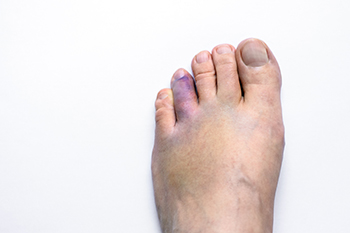
A bruised toe and a broken toe can cause pain and discomfort, but they have distinct differences. A bruised toe occurs when direct impact or pressure damages the small blood vessels under the skin, leading to discoloration, tenderness, swelling, and mild difficulty in movement. The pain is usually manageable, and mobility is often preserved. A broken toe results from a more severe injury, such as heavy impact or sudden force, causing a fracture in the bone. Symptoms include severe pain, swelling, bruising, difficulty moving the toe, and sometimes a visible deformity. A popping sound may be heard at the time of injury. While bruised toes typically heal with rest, broken toes often require medical evaluation. If you have injured your toe, it is suggested that you contact a podiatrist who can accurately diagnose bruised and broken toes, and offer appropriate treatment solutions.
A broken toe can be very painful and lead to complications if not properly fixed. If you have any concerns about your feet, contact Dr. Royall from Mountain View Foot & Ankle Clinic. Our doctor will treat your foot and ankle needs.
What to Know About a Broken Toe
Although most people try to avoid foot trauma such as banging, stubbing, or dropping heavy objects on their feet, the unfortunate fact is that it is a common occurrence. Given the fact that toes are positioned in front of the feet, they typically sustain the brunt of such trauma. When trauma occurs to a toe, the result can be a painful break (fracture).
Symptoms of a Broken Toe
Generally, it is best to stay off of the injured toe with the affected foot elevated.
Severe toe fractures may be treated with a splint, cast, and in some cases, minor surgery. Due to its position and the pressure it endures with daily activity, future complications can occur if the big toe is not properly treated.
If you have any questions please feel free to contact our office located in Lehi, UT . We offer the newest diagnostic and treatment technologies for all your foot and ankle needs.
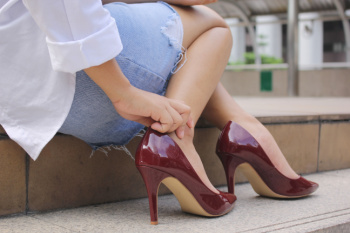
Wearing high heels for extended periods of time can lead to foot swelling due to the unnatural position they force on the feet. High heels shift body weight forward onto the balls of the feet, placing excessive pressure on the forefoot and toes. This uneven distribution of weight can restrict blood flow and cause fluid to accumulate in the lower extremities. The lack of proper arch support and narrow toe boxes in many high heels can also compress nerves and blood vessels, further contributing to swelling and discomfort. Over time, this pressure can lead to inflammation, pain, and even more serious foot conditions. Choosing footwear with better support, cushioning, and a lower heel can help reduce swelling and protect long-term foot health while still allowing for stylish options. If you have foot pain from wearing high heels, it is suggested that you contact a podiatrist who can treat various foot conditions, and guide you on appropriate heel selections.
High heels have a history of causing foot and ankle problems. If you have any concerns about your feet or ankles, contact Dr. Royall from Mountain View Foot & Ankle Clinic. Our doctor can provide the care you need to keep you pain-free and on your feet.
Effects of High Heels on the Feet
High heels are popular shoes among women because of their many styles and societal appeal. Despite this, high heels can still cause many health problems if worn too frequently.
Which Parts of My Body Will Be Affected by High Heels?
What Kinds of Foot Problems Can Develop from Wearing High Heels?
How Can I Still Wear High Heels and Maintain Foot Health?
If you want to wear high heeled shoes, make sure that you are not wearing them every day, as this will help prevent long term physical problems. Try wearing thicker heels as opposed to stilettos to distribute weight more evenly across the feet. Always make sure you are wearing the proper shoes for the right occasion, such as sneakers for exercising. If you walk to work, try carrying your heels with you and changing into them once you arrive at work. Adding inserts to your heels can help cushion your feet and absorb shock. Full foot inserts or metatarsal pads are available.
If you have any questions please feel free to contact our office located in Lehi, UT . We offer the newest diagnostic and treatment technologies for all your foot and ankle needs.
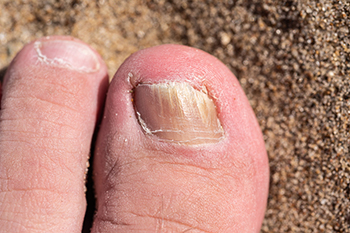
Fungal toenail infections usually begin at the tip or sides of the toenail and may cause discoloration, thickening, and crumbling of the nail surface. In some cases, the nail may lift from the nail bed or become painful if the surrounding skin becomes inflamed. While fungal toenail infections are common, they can be difficult to clear without medical treatment. A podiatrist can examine the toenail and confirm the infection through a laboratory test. Based on the findings, oral antifungal medication may be prescribed, often requiring several months of consistent use. These medications target the infection from within and support the regrowth of healthy nail tissue. Because oral antifungals can affect liver function, a podiatrist may request blood tests before and during treatment. If the infection is severe and the nail is extensively damaged, surgery to remove part or all of the nail might be recommended. This can help eliminate the infection and allow a clear nail to grow back. If you believe you have a toenail infection, it is suggested that you schedule an appointment with a podiatrist for an exam, diagnosis, and treatment.
For more information about treatment, contact Dr. Royall of Mountain View Foot & Ankle Clinic. Our doctor can provide the care you need to keep you pain-free and on your feet.
Toenail Fungus Treatment
Toenail fungus is a condition that affects many people and can be especially hard to get rid of. Fortunately, there are several methods to go about treating and avoiding it.
Antifungals & Deterrence
Oral antifungal medicine has been shown to be effective in many cases. It is important to consult with a podiatrist to determine the proper regiment for you, or potentially explore other options.
Applying foot powder on the feet and shoes helps keep the feet free of moisture and sweat.
Sandals or open toed shoes – Wearing these will allow air movement and help keep feet dry. They also expose your feet to light, which fungus cannot tolerate. Socks with moisture wicking material also help as well.
If you have any questions please feel free to contact our office located in Lehi, UT . We offer the newest diagnostic tools and technology to treat your foot and ankle needs.

Your feet do the hard work of carrying you everywhere, yet they are often ignored until there is a problem. Do you want feet that are both healthy and attractive? It takes more than an occasional pedicure. Everyday foot care is a must. First, moisture matters, but in moderation. Dry heels lead to cracks, while sweaty feet invite fungus. Use a good foot cream daily, but skip between the toes to prevent infections. Secondly, trim your toenails with care. Cutting toenails too short or rounding the edges increases the risk of painful ingrown nails. Trim straight across and file gently for a smooth finish. Third, shoes shape your feet over time. Wearing tight, unsupportive footwear can lead to bunions, corns, and calluses. Choose shoes that fit well and support your arch. If you have ongoing foot pain, persistent skin issues, or nail concerns, it is suggested that you see a podiatrist for appropriate treatment.
Everyday foot care is very important to prevent infection and other foot ailments. If you need your feet checked, contact Dr. Royall from Mountain View Foot & Ankle Clinic. Our doctor can provide the care you need to keep you pain-free and on your feet.
Everyday Foot Care
Often, people take care of their bodies, face and hair more so than they do for their feet. But the feet are a very important aspect of our bodies, and one that we should pay more attention to. Without our feet, we would not be able to perform most daily tasks.
It is best to check your feet regularly to make sure there are no new bruises or cuts that you may not have noticed before. For dry feet, moisturizer can easily be a remedy and can be applied as often as necessary to the affected areas. Wearing shoes that fit well can also help you maintain good foot health, as well as making it easier to walk and do daily activities without the stress or pain of ill-fitting shoes, high heels, or even flip flops. Wearing clean socks with closed shoes is important to ensure that sweat and bacteria do not accumulate within the shoe. Clean socks help to prevent Athlete’s foot, fungi problems, bad odors, and can absorb sweat.
If you have any questions please feel free to contact our office located in Lehi, UT . We offer the newest diagnostic and treatment technologies for all your foot and ankle needs.
Connect With Us
